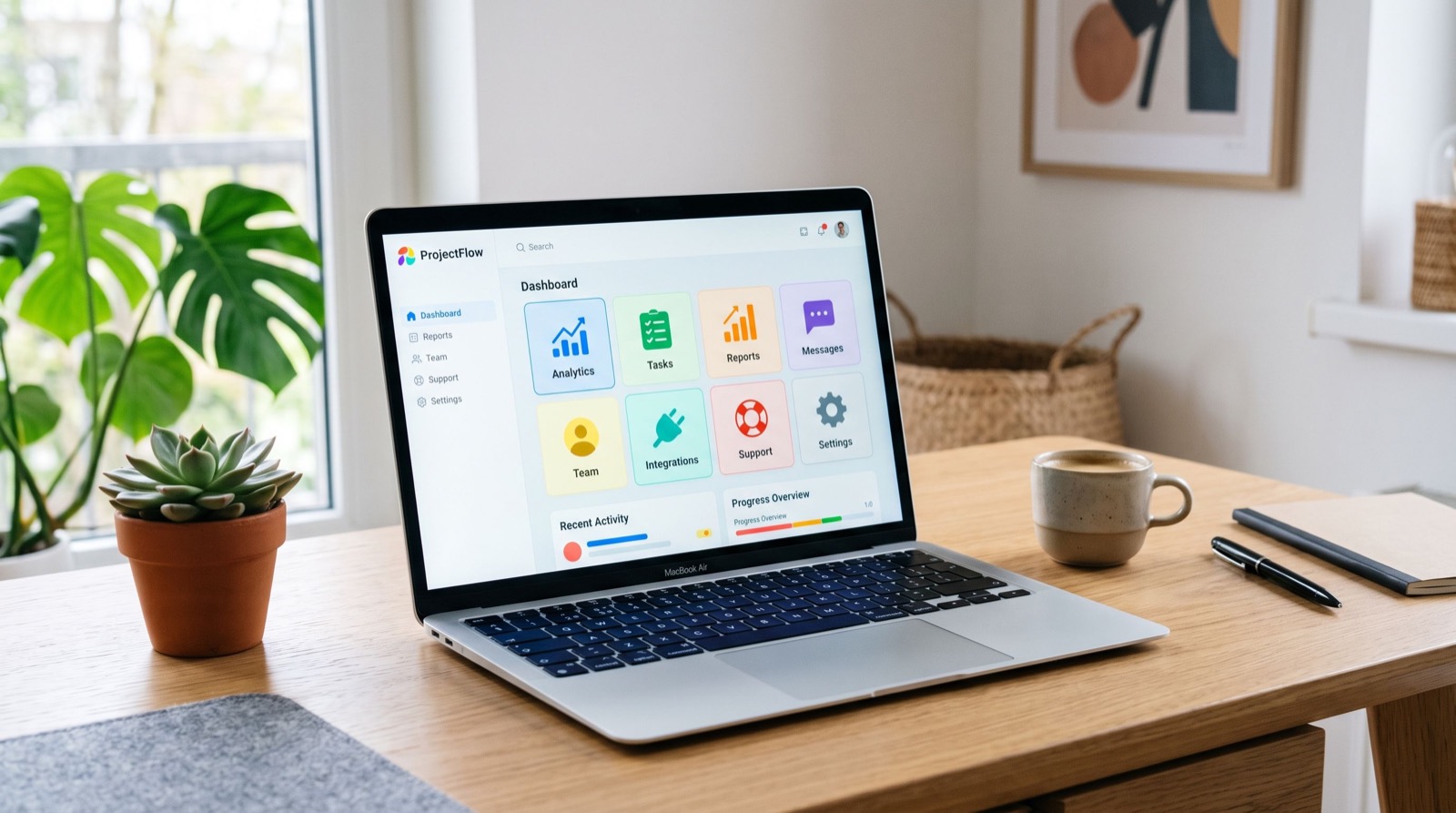

For a long time, learning outside a classroom meant driving across town, matching schedules with a teacher, and hoping the chemistry felt right after the first lesson. That model still works for some families, but a growing number of students have quietly moved their studies onto a screen instead. The shift is not about convenience alone. It reflects a deeper change in how people think about attention, feedback, and the kind of relationship that actually helps someone improve.
What follows is a practical look at why remote learning has matured into something serious, how to tell a strong program from a weak one, and what habits separate students who thrive from those who drift. Whether you are a parent weighing options for a teenager or an adult picking up a skill you abandoned years ago, the same principles apply.
Why Remote Learning Stopped Being a Compromise
Not long ago, studying from home carried a faint apology with it, as if the “real” version happened somewhere else. That assumption has aged badly. Video tools now handle screen sharing, shared whiteboards, and instant document editing so smoothly that a session can feel more interactive than a crowded room where one teacher juggles thirty faces. A tutor can annotate a paragraph in real time, pull up a diagram in seconds, and record the whole thing for later review.
The bigger change is reach. A student in a small town can now work with a specialist who lives on another continent. That single fact rewrites the economics of learning, because talent is no longer trapped by geography. Families who invest in online tutoring are usually not settling for a lesser experience. They are trading the friction of travel for a wider pool of expertise and a calendar that bends around real life instead of fighting it.
The Difference Between a Lesson and a Learning Plan
Anyone can deliver a lesson. Fewer people can build a plan that carries a student from confusion to confidence over weeks and months. This is the line that separates a casual arrangement from genuine instruction. A good plan starts with a diagnosis, not a syllabus. Before recommending anything, a thoughtful teacher wants to know where the gaps are, what the student already handles well, and what outcome actually matters to them.
Once that picture exists, the work becomes deliberate. Each session builds on the last, review is scheduled rather than accidental, and progress is measured against something concrete. Structured online courses tend to formalize this discipline, sequencing topics so that nothing important gets skipped and no time is wasted circling material a student has already mastered. The structure is what turns scattered effort into steady momentum.
How to Judge Quality Before You Commit
Marketing language is cheap, so it helps to have a short checklist you can run through before spending money. The goal is to separate genuine substance from a polished sales page.
- Ask how progress is tracked and how often you will see evidence of it.
- Request a trial session, then notice whether the teacher listens more than they lecture.
- Look for clear communication about scheduling, cancellations, and make-up policies.
- Check whether feedback is specific and actionable rather than a vague “good job.”
- Confirm that materials are shared afterward so you can revisit anything you missed.
If a provider hesitates on any of these, treat it as useful information rather than a dealbreaker to argue past. The strongest educators welcome these questions because the answers are how they win trust.
The Quiet Power of Consistency
Talent and resources matter, but they lose to consistency almost every time. A student who shows up twice a week for six months will usually outpace a more gifted peer who studies in unpredictable bursts. Remote formats make consistency easier because they remove the excuses that used to derail routines. There is no traffic, no weather, no long detour after a tiring day. The lesson is a few clicks away.
Consistency also compounds in a way that feels invisible day to day and obvious in hindsight. Vocabulary sticks because it is revisited. Habits form because they are repeated. Confidence grows because small wins accumulate. The families who see the best results are rarely the ones chasing dramatic breakthroughs. They are the ones who protect a modest, steady rhythm and refuse to let it slip.
Matching the Teacher to the Learner
Expertise alone does not guarantee a good fit. A brilliant specialist who cannot read a nervous beginner may accomplish less than a patient generalist who knows how to build safety first. Personality, pace, and communication style all shape whether a student leans in or shuts down. This is why the first few sessions should be treated as a mutual audition rather than a final verdict.
Pay attention to how the learner responds after a lesson. Do they seem energized or drained? Curious or discouraged? These reactions reveal more than any credential. When looking for dependable specialists, prioritize the human match as heavily as the technical one, because the most qualified person in the world cannot teach someone who has stopped listening. The right pairing feels like a partnership, not a transaction.
Building Independence, Not Dependence
The paradox of great teaching is that its ultimate goal is to make itself unnecessary. A skilled instructor is not trying to create a permanent customer. They are trying to hand over the tools a student needs to eventually work alone. That means teaching how to study, not just what to study, and gradually shifting responsibility onto the learner as their confidence grows.
Watch for this arc in any long-term arrangement. Early on, the teacher leads heavily. Over time, the student should be setting more of the agenda, catching their own mistakes, and asking sharper questions. If that shift never happens, something has stalled. Real progress looks like a learner who needs less hand-holding each month, not one who grows more reliant on being told what to do next.
Key Takeaways
- Remote learning has matured into a serious option, not a fallback, thanks to better tools and wider access to talent.
- A structured plan beats a string of disconnected lessons because it turns effort into measurable progress.
- Vet providers with concrete questions about tracking, feedback, and trial sessions before committing.
- Consistency quietly outperforms raw talent, and remote formats make it easier to sustain.
- Fit matters as much as expertise, and the best teaching gradually builds independence rather than dependence.
Making the Decision With Confidence
Choosing how to learn something new should not feel like a gamble. When you understand what strong instruction actually looks like, the decision becomes clearer and far less stressful. Look for structure, insist on real feedback, protect your consistency, and pay close attention to fit. Those four ideas will carry you further than any glossy promise ever could.
The larger point is that learning has become more flexible and more accessible than at any time before, and that flexibility rewards people who approach it thoughtfully. Start with a modest commitment, evaluate honestly after a few weeks, and adjust without guilt if something is not working. Progress belongs to those who stay curious and keep showing up, one steady session at a time.