How to Pick a Solar Company in Lahore: 2026 Checklist
Lahore’s rooftops are filling with blue and black glass, and for good reason. With summer temperatures pushing demand and tariffs climbing, going solar is now a mainstream decision. But the outcome depends almost entirely on who installs your system. Choosing the right solar company in Lahore is the single biggest factor in whether your investment pays off or turns into a maintenance headache.
This checklist is built from what actually goes wrong on local projects: undersized wiring, missing net-metering paperwork, and panels that fade after two summers. Use it to separate genuine engineering firms from box-movers who disappear after the sale.
Why the installer matters more than the panel brand
People obsess over panel logos, yet two homes with identical hardware can perform very differently. The difference is workmanship: tilt angle, cable sizing, earthing, inverter configuration, and clean net-metering registration. A skilled crew extracts every available unit; a careless one leaves 15 percent of your generation on the table.
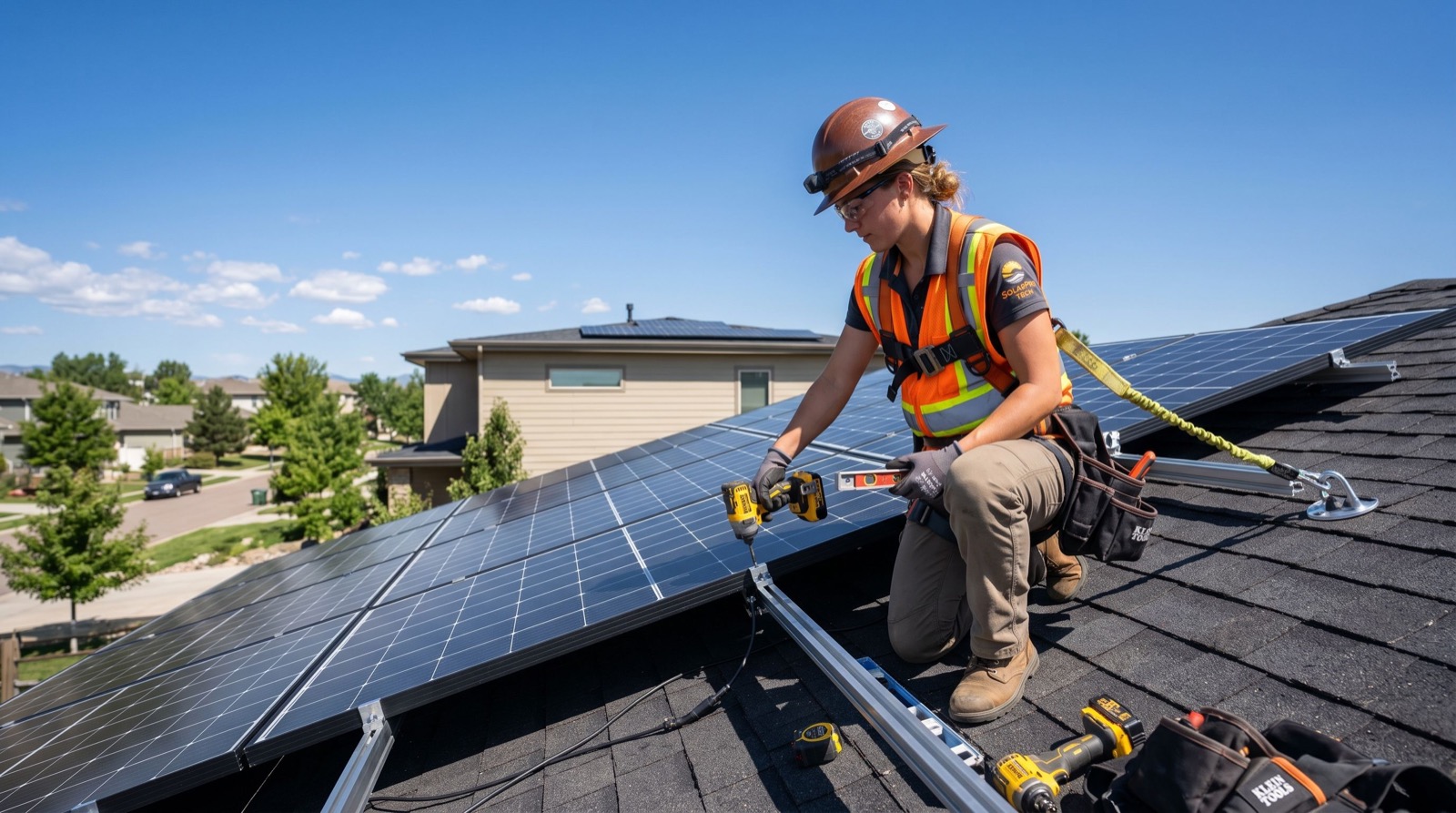
A reputable solar company in Lahore should walk your roof, measure shading across the day, and hand you a written design before quoting. If a salesperson quotes a price over the phone without seeing your roof, treat that as a red flag.
The experience signals to look for
- At least three to five years of local installs you can verify.
- Named inverter and panel brands with model numbers in the quote.
- A dedicated after-sales team, not just a sales number.
- Willingness to handle the full net-metering application with your distribution company.
Questions to ask before you sign
Treat your first meeting like an interview. The answers reveal whether the company understands engineering or just resells equipment.
- What is the temperature coefficient of the panels you recommend, and why?
- How do you handle shading on my specific roof?
- What cable gauge and earthing standard will you use?
- Who files the net-metering paperwork, and how long does approval take?
- What does the warranty cover, and who honors it if a part fails in year four?
Good firms answer confidently with specifics. Vague replies or pressure to pay a deposit immediately usually signal trouble ahead.
Comparing quotes fairly
Quotes look similar on the cover page but differ underneath. Build a simple comparison so you are not fooled by a low headline number.
| Checkpoint | Budget installer | Quality installer |
|---|---|---|
| Panel tier | Grey-market / unverified | Tier-1, bankable warranty |
| Inverter | Unbranded | Reputable hybrid brand |
| Cabling & earthing | Minimal | Full-spec, code-compliant |
| Net metering | You handle it | Done for you |
| After-sales | None | Scheduled maintenance |
The quality column costs more up front but delivers more units, fewer faults, and a system that still performs in 2036. The cheapest bid often costs the most over ten years.
Is a bigger solar company always better?
Not necessarily. Size brings buying power and stock, but a focused mid-size firm often gives sharper attention and faster service. What matters is a track record of completed installs, transparent documentation, and real engineers on staff. Ask to speak with two or three past customers in your area; genuine firms share references happily.
You can also verify that the company uses equipment and practices aligned with national renewable-energy guidance. The Alternative Energy Development Board publishes standards and approved-vendor information that help you gauge credibility.
Buying equipment and accessories the smart way
Some homeowners prefer to supply certain parts themselves, especially when expanding an existing array. If you plan to buy solar products online, confirm that the model matches your inverter’s voltage window and that the warranty transfers to you as the end user. Mismatched components are a leading cause of underperformance.
Whether you buy turnkey or mix and match, keep every datasheet and warranty card. Documentation is what protects you if a part fails years later.
Freshness: what changed for Lahore buyers in 2026
Two trends stand out this year. First, N-type TOPCon panels have become affordable, and their superior heat tolerance suits Lahore’s long hot season. Second, hybrid inverters with built-in battery management are now standard, making it easy to add storage later without replacing core hardware. A forward-looking installer designs for this upgrade path from day one.
How to verify a company before paying
Do a short background check. Search the company name with the word “review,” ask for a physical office address, and confirm the team includes certified electricians. Reputable quality service providers publish real case studies, respond to complaints, and provide a clear service-level commitment in writing. Skipping this step is how buyers end up with orphaned systems.
Red flags that should end the conversation
Some warning signs are reliable enough to walk away on. Learn to spot them early and you will save yourself months of frustration.
- No site visit: A firm that quotes without measuring your roof is guessing with your money.
- Pressure tactics: “This price is only valid today” is a sales trick, not an engineering reality.
- No written design: Verbal promises vanish; insist on a documented layout and component list.
- Cash-only, no invoice: Legitimate companies issue proper invoices and honor warranties on paper.
- Vague brands: “Imported panels” with no model number usually means grey-market stock.
If two or more of these appear, keep searching. The Lahore market has plenty of competent engineering firms, so you never need to settle for a company that cannot answer basic technical questions.
Understanding the real timeline
Set realistic expectations so you are not surprised. A straightforward residential job follows a predictable path, and a good installer walks you through each stage up front.
- Site survey and shading analysis (one visit).
- Written design and quote (a few days).
- Hardware procurement and scheduling.
- Physical installation (one to three days).
- Net-metering application and meter change (several weeks).
The installation itself is quick; the paperwork is the slow part. This is exactly why having the company manage the net-metering application matters so much, because an experienced team avoids the document errors that cause the longest delays.
Frequently Asked Questions
How much does a home solar system cost in Lahore in 2026?
A 5 kW hybrid system typically ranges from PKR 900,000 to 1,300,000 depending on panel tier, inverter brand, and battery capacity. Grid-tied systems without storage cost less.
How long does net-metering approval take?
Approval usually takes several weeks once documents are submitted. A good solar company in Lahore manages the entire application, which avoids delays caused by incomplete paperwork.
Will solar work during Lahore’s summer heat?
Yes, but heat slightly reduces output. Choosing panels with a low temperature coefficient and leaving airflow behind the modules keeps summer losses to a minimum.
Can I expand my system later?
If the installer sizes the inverter and wiring with headroom, you can add panels or a battery later. Discuss your upgrade plans before the design is finalized.
Conclusion
The best advice for 2026 is simple: choose the installer first and the brand second. A trustworthy solar company in Lahore gives you a site survey, clear documentation, honest warranties, and net-metering support that turns your roof into a reliable, money-saving power plant. Use the checklist above, compare quotes on substance rather than headline price, and ask for references. Ready to start? Request a proper site survey this week and get a quote you can actually trust.